
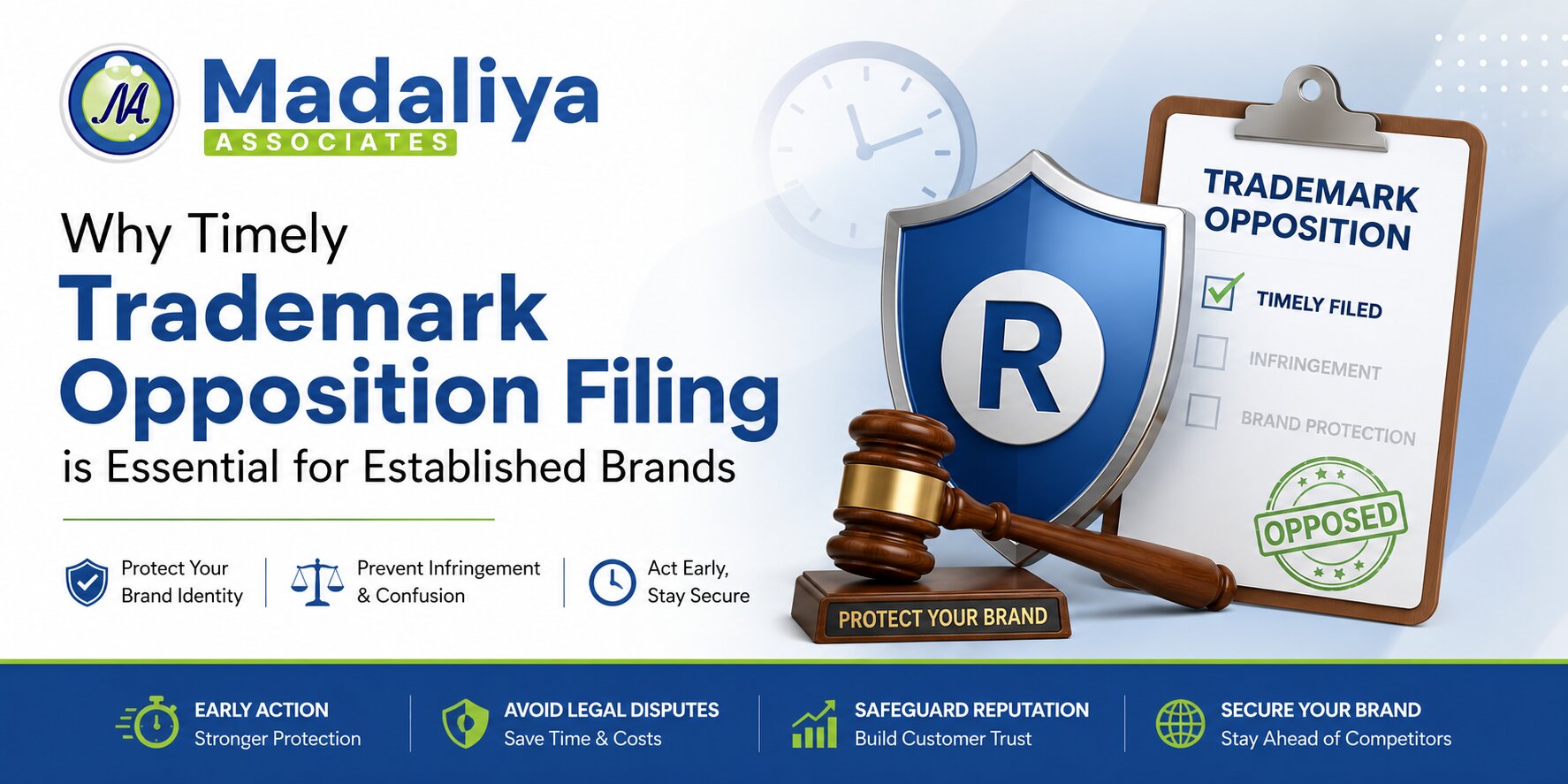
A business’s most valuable asset in the modern corporate theatre is the market reputation and consumer goodwill. Even if it is an established brand, it naturally becomes an attractive target for opportunistic copycats. They are the ones that are looking to free-ride on its hard-earned prestige. The common misconception of most business owners is believing that securing their initial trademark registration offers permanent, automated protection against infringement. But the reality hits differently when the legal responsibility to safeguard an identity falls on the brand owner. It opens a critical statutory window for public review if there is a deceptively similar logo or brand name slips through regulatory checks. It will be published in the official journal. During this phase, executing a strategic Trademark Opposition Filing is the primary administrative weapon to prevent confusingly similar marks.
Why is the four-month window completely non-negotiable?
The timeline to file an opposition against an advertised mark is fixed at exactly four months from the journal publication date. The statutory deadline extensions are legally impossible. If the legal time fails to submit the necessary paperwork within the strict 4-month period, then the contested mark automatically moves to official registration. Missing this will leave you with no choice but to strip away the right to block the copycat.
What role does formal documentation play in proving prior use?
Once an opposition is formally initiated, bare assertions of brand ownership are completely insufficient to win the dispute. The brand’s market presence, public reputation, etc., will be demanded by the registry. Also, they look forward to the historical sales figures of your brand. This necessitates a meticulous Evidence Affidavit Filing. Here, your legal counsel compiles commercial invoices and historic marketing campaigns. They also check the audited financial statements as well. These formal steps legally establish your prior continuous use of the mark and effectively dismantle the copycat’s claim to originality.
What happens when written arguments fail to resolve the clash?
Even if both parties present extensive documentation in highly contested matters, the written submissions alone may not bring the dispute to a definitive close. Evidence Affidavit Filing It is in this situation that the registrar schedules a formal, in-person, or virtual administrative trial. A successful outcome then relies on experienced intellectual property lawyers, Trademark Hearing Appearing to present oral arguments directly before the adjudicating officer. This is a high-stakes setting which allows your legal representatives to expose flaws in the copycat’s logic and reinforce your market exclusivity in real time.
How does an initial review impact subsequent legal steps?
The application must undergo an initial state evaluation long before an opposition enters the public arena. The applicant is issued an official objection if the registry flags inherent legal conflicts or descriptive issues during this initial assessment. This pre-publication phase successfully requires a comprehensive Examination Report Reply Filing. It is to address the registry’s initial concern about the file. Monitoring how competitors handle these early statutory objections can provide invaluable strategic insights into the competitor’s ultimate legal vulnerabilities. This will be useful for the established brands who are filing the opposition.
Are there severe financial penalties for ignoring copycats?
Certainly. Allowing a copycat to secure a registered trademark isn’t just a simple thing, but the financial repercussions for allowing this are profound. The competitor gains a legitimate legal shield to operate in your sector if they successfully register a deceptively similar mark. This inevitably leads to lost corporate revenue as misdirected customers inadvertently purchase goods from the copycat. The cost of re-educating your consumer base or launching a full-scale corporate passing-off lawsuit in the high courts is exponentially higher.
Bottom Line
It is essential to have a proactive approach to intellectual property management in preserving the reputation of your commercial identity. Defend your brand’s market exclusivity with absolute confidence and get the legal guidance of Madaliya Associates. The dedicated team protects your business needs and safeguards your intellectual investments.



Talk to Our
TradeMark
Agent
Contact Us
TradeMark
Agent


We are a dedicated team of professionals committed to providing comprehensive
solutions in the areas of intellectual property registration, private limited company registration,
LLP registration, partnership firm registration, accounting and bookkeeping, GST-related services,
digital signature, MSME registration, ISO registration, and IEC code registration.
Need Any Help? Or Looking For an Agent
©
2026 Madaliya. All Rights Reserved.